



Cycling on the beach at Zandvoort is truly possible, and it might just be the most beautiful ride you'll take here: miles of firm sand, the surf beside you, and not a traffic light in sight. However, there are two ground rules. Outside the bathing season, roughly from October through April, the beach belongs to cyclists; during the summer months, restrictions apply in the busy bathing zones. And your bike needs to be able to handle it, because regular tires sink into the sand. That is exactly why fatbikes exist.
In this blog, you will read when beach biking is allowed, how to use the tide to your advantage, and with which bike it becomes really fun.
Table of contents:
- Are you allowed to cycle on the beach in Zandvoort?
- The tide determines your ride: here is how it works
- Which bike do you need on the beach?
- Fat bikes in the news: do those rules apply here too?
- Where can you get on and off the beach?
- Autumn and winter: the real beach cycling season
- Five practical tips for your first beach ride
- Frequently Asked Questions
Are you allowed to cycle on the beach in Zandvoort?
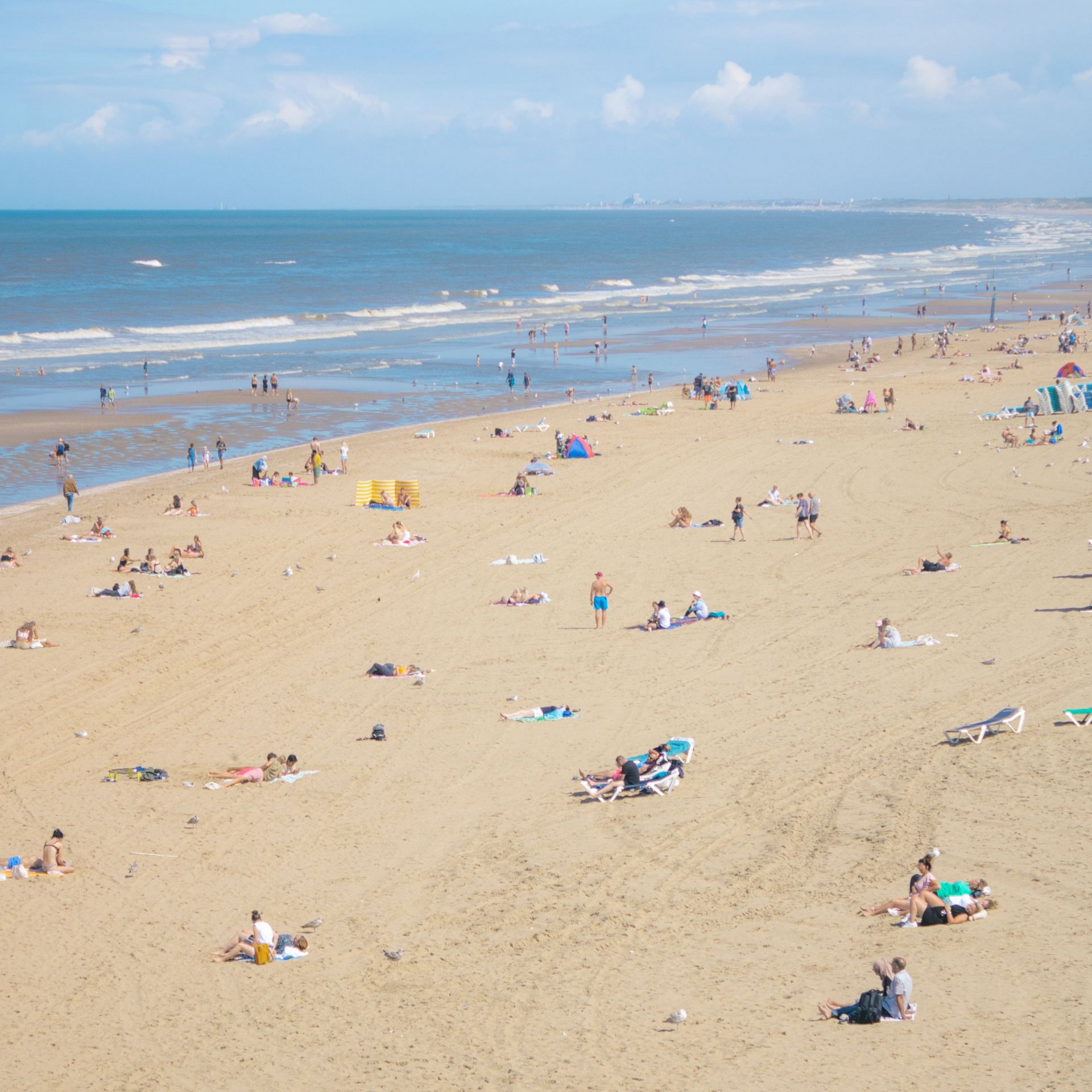
Yes, with a seasonal rule. As with most Dutch seaside resorts, the beach is freely accessible to cyclists outside the bathing season: roughly from October through April, you have free rein. During the bathing season, from May through September, things are different. Then, the bathing zones in front of the beach bars are the domain of swimmers and sunbathers, and cycling is not permitted there or is only advisable early and late in the day.
The current rules are posted on the signs at the beach entrances, and the municipality may make adjustments seasonally. If you rent from us, we will simply tell you what is allowed that day and where it is best to access the beach. One rule always applies, however: pedestrians have priority, and keep your distance from the lifeguards and beach maintenance work.
Event venues
The tide determines your ride: here is how it works
The secret to beach cycling lies not in your legs, but in the tide table. At low tide, there is a wide strip of wet, compacted sand along the high tide line, and cycling on it is almost like asphalt. At high tide, only the dry, loose sand remains, and every bike sinks into it; even a fatbike becomes hard work then.
Therefore, plan your trip around low tide: you will have the best bottom from about two hours before to two hours after. You can find the tide times for Zandvoort in any weather app or on the Rijkswaterstaat website, and honestly: we check them for you every morning. Just ask what the water conditions are like that day when you rent.
Another bonus of low tide: you cycle furthest from the foot of the dunes, where the sand is hardest, and you have plenty of room to pass walkers.
Which bike do you need on the beach?
Here is the short answer: a fat bike. The tires of a fat bike are two to three times wider than those of a regular bicycle, and you ride them at low pressure, causing them to float on the sand instead of cutting into it. A city bike or e-bike with regular tires will get you a long way on wet sand, but one soft spot and you come to a standstill.
Here in Zandvoort, you can choose from two options: the 20-inch fatbike, nice and maneuverable and suitable for young people as well, and the 28-inch Monsterbike, our big crowd-puller with extra-wide tires that really crushes the loose sand. If you prefer electric assistance going up the dunes, take a look at the e-bikes; for the beach itself, the fatbike remains king.


Event venues
Fat bikes in the news: do those rules apply here too?
Fat bikes have been under a magnifying glass lately, so the question is logical: are you actually still allowed to ride them in Zandvoort? The answer is yes. The discussion in the news concerns souped-up electric fat bikes tearing through traffic too fast, and that is precisely what the municipality is cracking down on. A fat bike that simply complies with the rules is, under the law, simply a bicycle: wide tires are not an offense.
So, nothing changes for the beach. Anyone riding a fatbike over the wet sand along the waterline is doing exactly what this type of bike was originally designed for, as the first fatbikes were built to ride over snow and sand. If you rent from us, you are in good hands: our bikes comply with the regulations, and you will be told immediately what is and isn't allowed that day.
Where can you get on and off the beach?
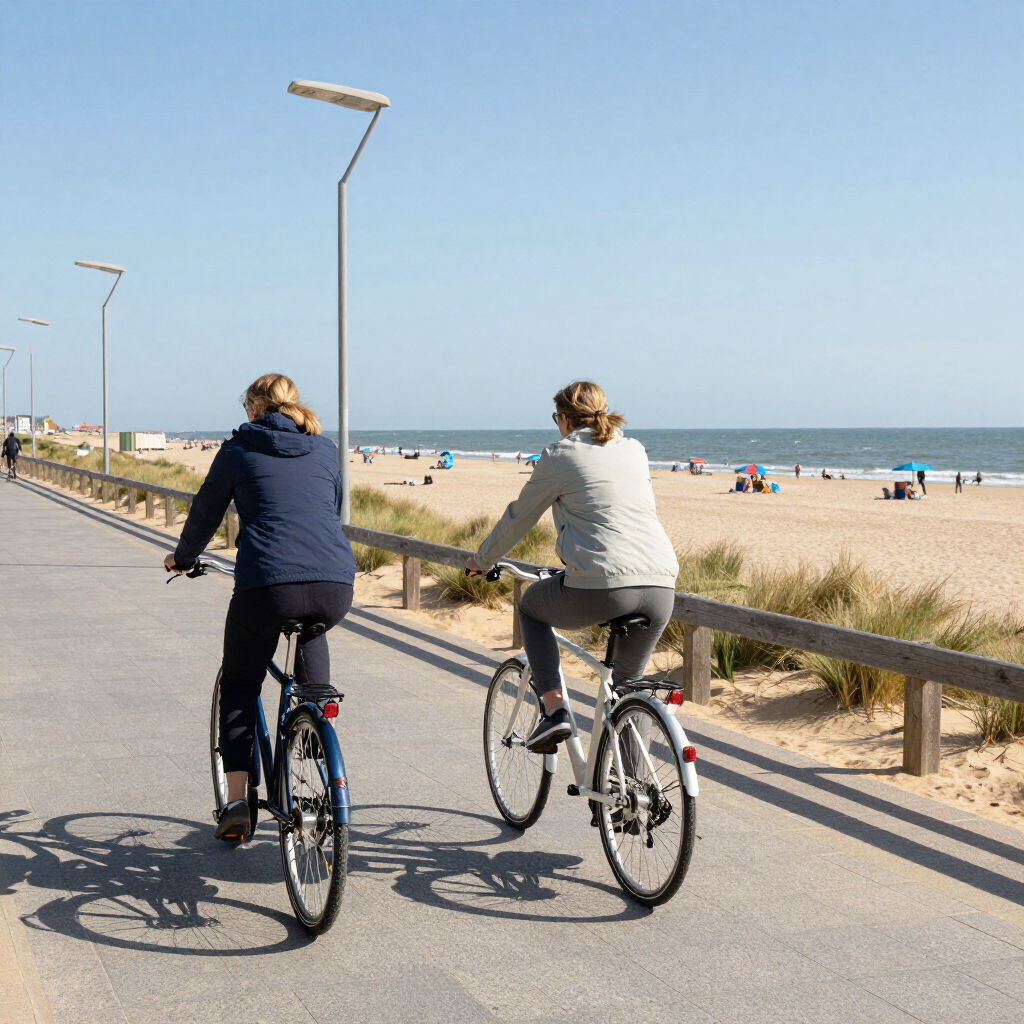
From our shop at Haltestraat 51, you can cycle to the Rotonde near the center in just a few minutes, where you can ride straight onto the sand via the beach access. Heading south, you cycle towards the quiet beaches at the Waterleidingduinen; heading north, you pass the beach pavilions on your way to Bloemendaal aan Zee, where our second location is situated. This way, you can even ride a one-way trip along the beach and back through the dunes of Zuid-Kennemerland National Park: the most beautiful coastal loop there is.
To give you a sense of distance: from the Rotonde to Bloemendaal aan Zee it is roughly four kilometers along the beach, to IJmuiden about ten, and southwards towards Noordwijk lies about seventeen kilometers of beach where you will hardly encounter anyone outside of the season. Expect a more relaxed pace on the sand than on the road; an hour there and an hour back is a lovely first ride for most people.
When riding up and down, watch out for the loose, sandy patches at the ramps; dismounting briefly and walking the bike is nothing to be ashamed of there, even with a Monsterbike.
Event venues
Autumn and winter: the real beach cycling season
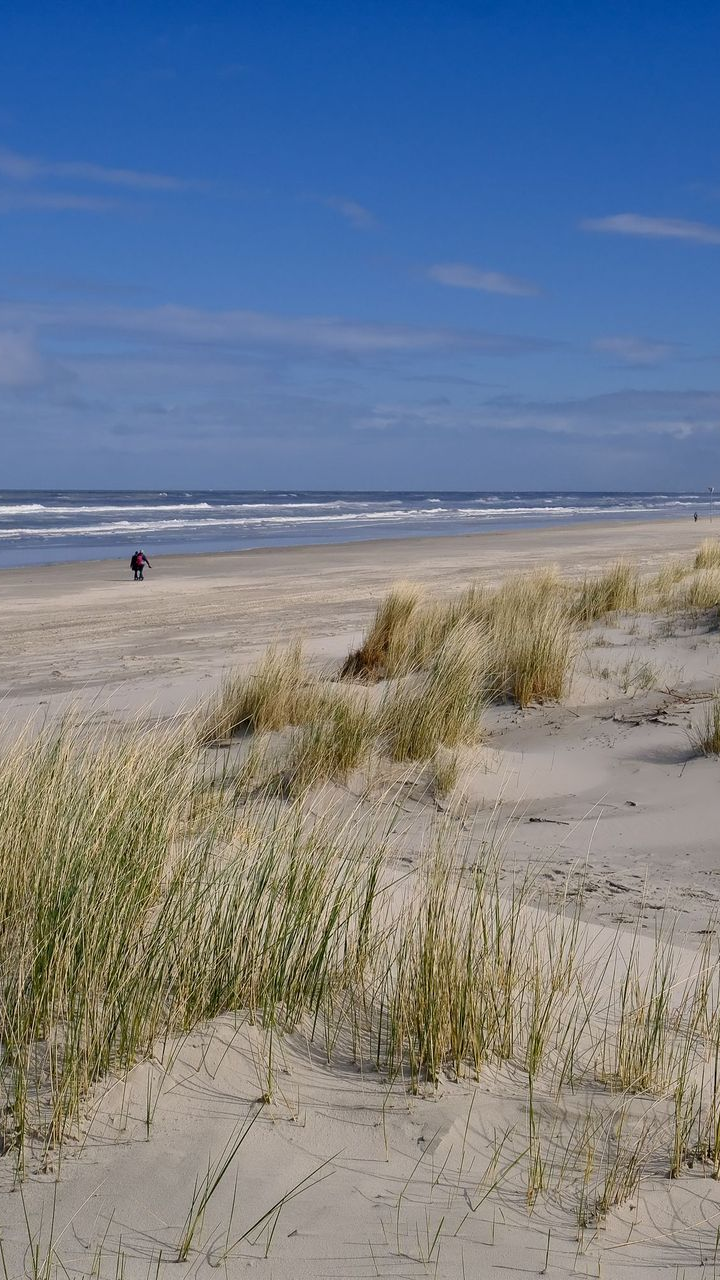
Summer is for the terrace, autumn is for the fatbike. From October onwards, the beach is completely free again, the sand is often firmer due to the wind and rain, and you have miles of coastline practically to yourself. A clear blue November day with a fresh northwesterly wind: that is beach cycling at its best, and afterwards, the hot chocolate in the village tastes twice as good.
Just dress as you would for a brisk autumn walk, and remember the rule of thumb: headwind on the way out, tailwind on the way back. That way, you always finish with the easy kilometers.
Five practical tips for your first beach ride
One: plan around low tide, that saves half the trouble.
Two: start against the wind, then you will have it at your back on the way back.
Three: stay on the wet, slippery sand at the high tide line and avoid the loose strips at the foot of the dunes.
Four: give pedestrians and dogs plenty of room and slow down in the bathing zones.
Five: due to salt and sand, a beach bike should be rinsed clean and lubricated after use, and that is precisely the beauty of renting: that maintenance is our job, not yours.
Frequently Asked Questions
Are you allowed to cycle on the beach in Zandvoort all year round?
Outside the bathing season, roughly from October through April, the beach is open to cyclists. During the summer months, restrictions apply in the bathing zones; check the signs at the beach entrances or ask us when renting.
Is beach cycling possible with a regular bike or an e-bike?
On the wet, hard sand at low tide, you can get quite far with a regular bike, but the soft sections are tricky. A fatbike with wide tires at low pressure is really made for this and rides through everything.
What is the best time of day to cycle on the beach?
Around low tide: from approximately two hours before to two hours after, the strip of wet sand is at its widest and hardest. We check the tide times for you every day at the rental.
Is beach biking hard?
Cycling on hard sand with the wind at your back is surprisingly light. Cycling against the wind is a healthy workout; therefore, start cycling against the wind and let the wind blow you back.
Can I take the fatbike into the dunes too?
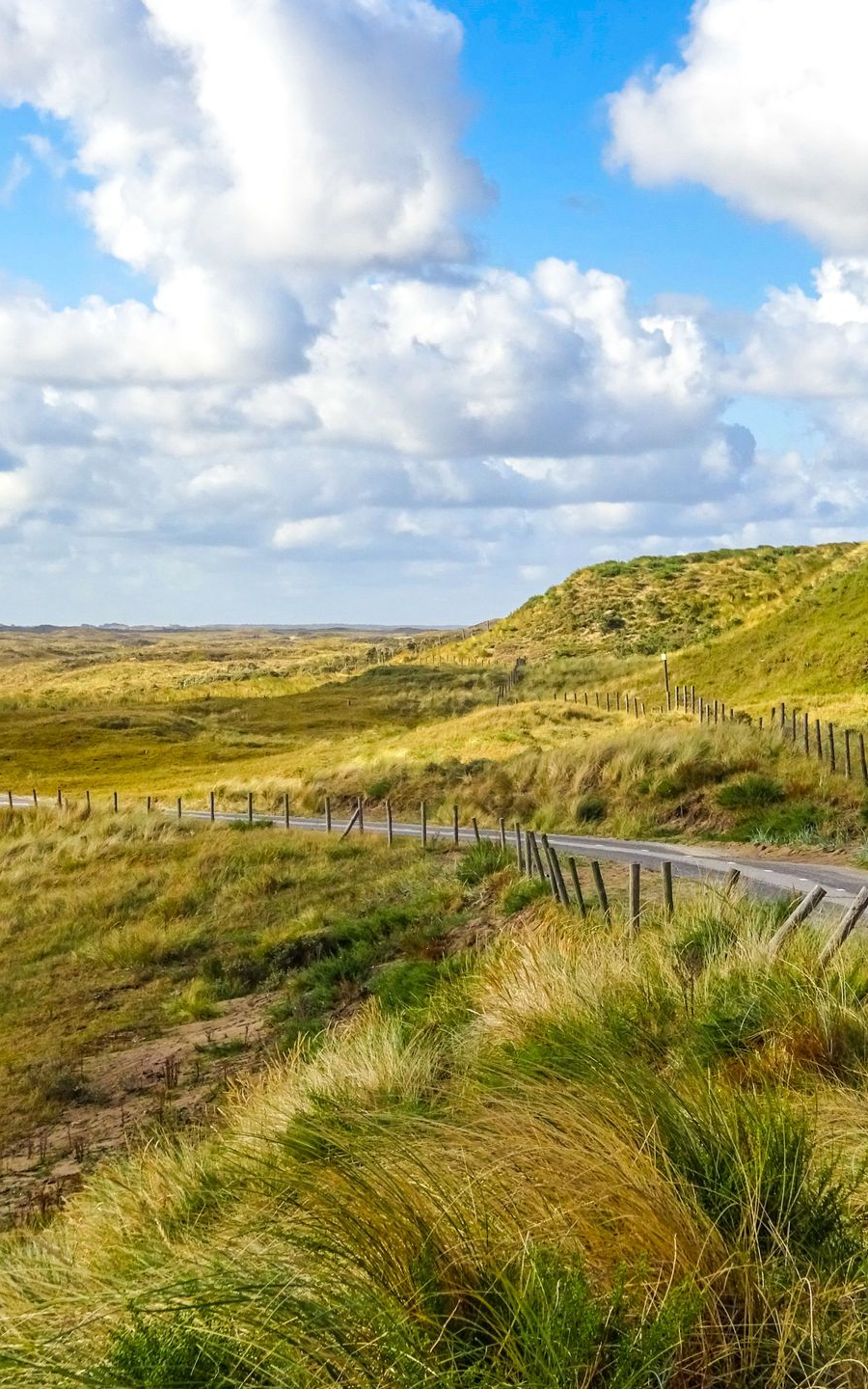
On the beach and on regular cycle paths, yes; cycling off-leash through the dunes is not allowed anywhere, not even with a fatbike. You can make a beautiful loop via the cycle paths of Zuid-Kennemerland National Park.
Are electric fat bikes allowed on the beach?
The same seasonal rules apply to the beach as to any bicycle. The enforcement you read about focuses on souped-up models in traffic; an electric bike that complies with the rules simply counts as a bicycle. Incidentally, on loose sand, a non-electric fatbike with wide tires remains the most pleasant to ride.