



You are standing with your feet in the foam, rod at the ready, as the sun sinks behind the dunes. Fishing from Zandvoort beach is easier than you might think: no boat needed, no expensive licence, and with a bit of luck you could pull a sea bass from the surf within an hour. Yet few visitors know where to start, which rules apply or how to get their gear easily to a quiet spot along the coast.
This guide tells you everything you need to know about fishing in Zandvoort: from the rules and the best spots to the right time and the easiest way to get there with your rod, bucket and bait. Because that last part is exactly where most articles about fishing in Zandvoort stop: at Behind the Beach, we also think about how you get there.
Table of contents:
- What fish can you catch near Zandvoort?
- Can you fish anywhere from the beach?
- The best places to fish
- When is the best time?
- Cycle to your fishing spot
- What should you bring?
- Fishing with children on the beach
- Respect for the beach and nature
- Frequently asked questions about fishing in Zandvoort
- Personal advice
What fish can you catch near Zandvoort?
The North Sea off Zandvoort is surprisingly rich in fish, precisely because you can fish from the beach in relatively deep, moving water. The best-known catch is sea bass, an aggressive hunter that searches for small fish and prawns close to shore, especially in autumn and early winter. You will also regularly catch plaice and flounder, two flatfish that forage on the sandy bottom, and in summer sometimes mackerel, when they hunt shoals of herring close to shore.
If you want to keep things simple, a bottom rod with worms or ragworms as bait is a great way to start fishing for flatfish. If you are specifically targeting sea bass, you will usually use a spinning rod and a lure that resembles a prawn or small fish. You can use both techniques from the same stretch of beach, so there is no need to buy expensive equipment for your first outing.


Event venues
Can you fish anywhere from the beach?
Yes, and that is one of the great things about sea fishing in the Netherlands: you do not need a VISpas or a licence. Almost all saltwater along the Dutch coast is free to fish, unlike inland waters such as ditches, canals and lakes, where you do need a VISpas. A ZeeVISpas is only required in a few specific places, such as Lake Veere and Lake Grevelingen, which are far from Zandvoort.
There is one practical rule: without a separate licence, you may fish with a maximum of two rods at the same time, with no more than three hooks per rod. This is more than enough for most visitors, especially if you are heading out as a pair. Follow this basic rule and you can head straight onto the beach without any paperwork.
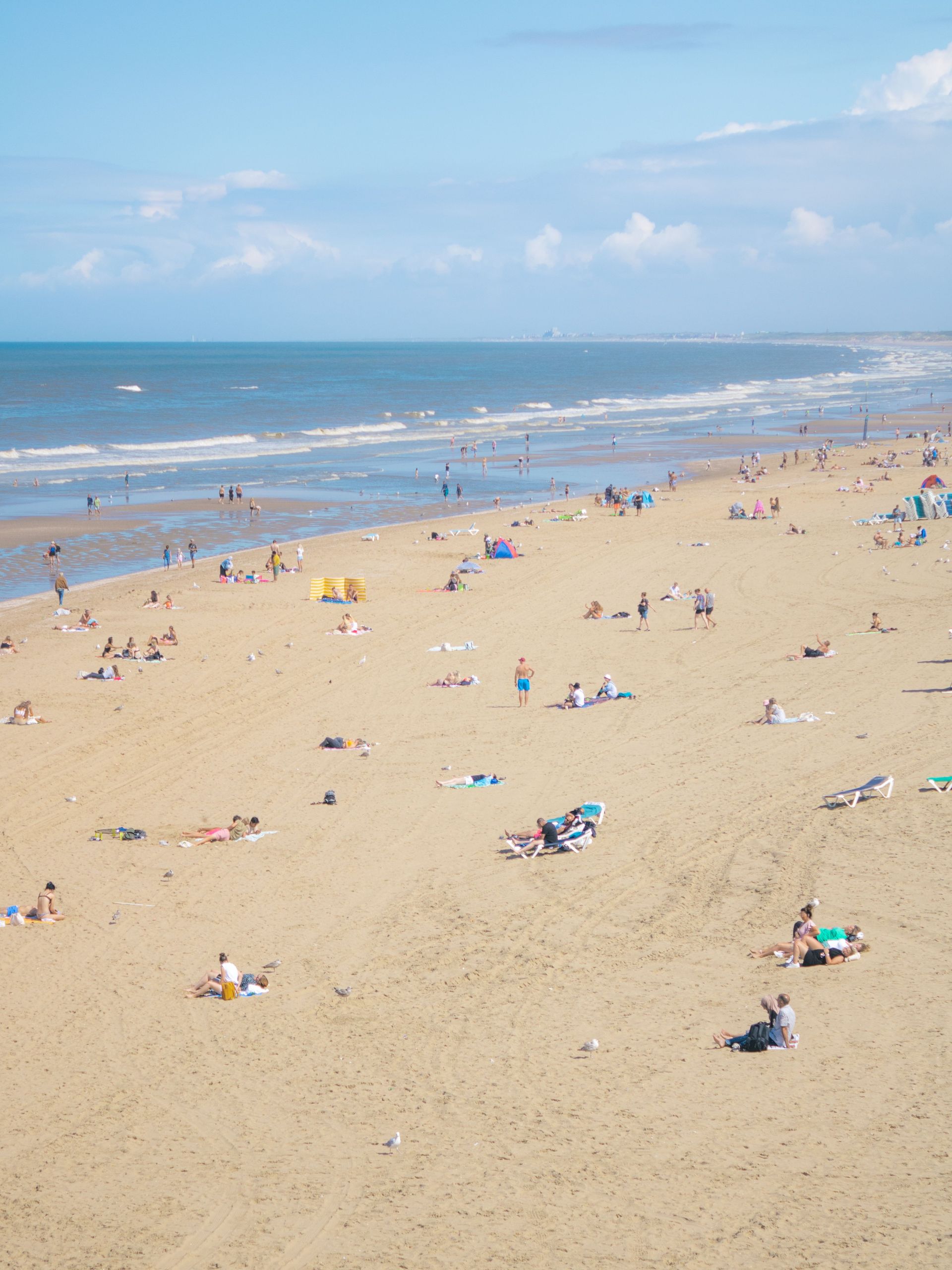
One thing to bear in mind: during the high season (15 April to 1 October), Zandvoort beach is a busy area with swimmers and beachgoers between 09:00 and 19:00. Fishing is often most enjoyable just outside those hours, early in the morning or in the evening, when it is quieter and the fish are often more active too.
The best places to fish
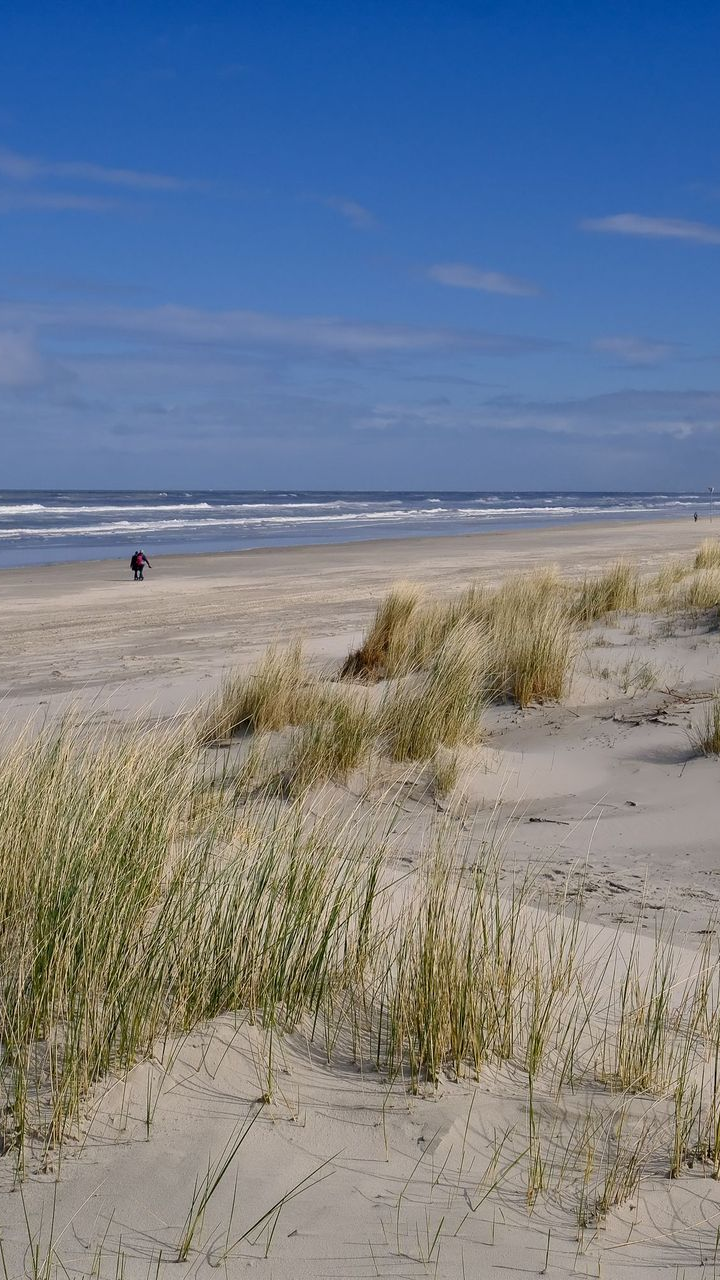
Zandvoort has no pier or harbour wall to fish from, but that is not a disadvantage: the entire beach is effectively your fishing spot, as long as you know what to look for. Experienced beach anglers look for three types of structure in the seabed and water:
- Sandbanks: you find them all along the coast, and they are easiest to spot at low tide, when their contours become visible in the sand.
- Channels (also known as “rips”): deeper stretches between sandbanks where water flows back out to sea. The surface is often calmer here, and small fish gather there, attracting predatory fish such as sea bass.
- Structures such as drainage outlets or irregularities in the coastline: sea bass like to hunt here, especially around high and low tide.
Like other Dutch seaside resorts, Zandvoort uses a numbered-post system along the beach to identify locations (think of the well-known beach bar Paal 69). A useful tip: choose a post number as your starting point, explore the nearby sandbanks and channels at low tide, and feel free to move a little if one spot remains quiet. If in doubt, never wade deeper than waist height, as the current along the Dutch coast can be deceptively strong.


Event venues
When is the best time?
The tide plays a bigger role than most beginners realise. Around high and low tide, but not right at the exact turning point, your chances of getting a bite are usually best: the moving water stirs up small prey, which gets predatory fish such as sea bass active. A tide timetable for Zandvoort or IJmuiden quickly shows you the best times for your day on the beach.
In terms of season, autumn, from September through December, is generally the best time to catch sea bass from the beach, as the fish hunt close to shore before winter begins. In summer, fish mainly early in the morning or late in the evening, away from the crowds, and you have a good chance of catching flatfish and sometimes mackerel. The great thing is that you can fish all year round: there is no closed season for sea fishing from the beach.
Cycle to your fishing spot
This is exactly where most advice about fishing in Zandvoort stops, even though it is the first question for most visitors: how do you actually get your rod, bucket, bait and chair to a quiet stretch of beach without having to carry everything back and forth from a car park? The answer is simple: by bike, you can reach a quieter part of the beach within a few minutes, far from the busy seafront promenade.
If you are heading out with just a rod and a light bag, an ordinary bike is perfectly adequate. If you are taking more with you, such as a chair, a cool box with bait or fishing gear for the whole family, the picnic bike is ideal: it has a sturdy front basket where you can easily stow your belongings. If you are going with several people or children, the cargo bike offers even more space: rods, a stool, a bucket of bait and a bag of dry clothes all fit inside, and the children can even ride along. Want to explore further along the coast without tiring yourself out? An electric bike makes it much easier, especially with a full load.
Do bear in mind that cycling on the beach itself is subject to rules, for example during busy hours and in areas where cycling is not permitted. On our page about cycling on Zandvoort beach, you can find out exactly when it is allowed and which type of bike is most comfortable, so you can reach your fishing spot without any hassle.

Event venues
What should you bring?
You do not need much to get started with an afternoon of beach fishing. A rod and reel, a set of bait rigs or lures, a bucket or bag for storing fish and bait, and a small landing net are the essentials. Worms and ragworms are available from a fishing tackle shop and work well for flatfish, while sea bass are often caught using lures.
Also remember the practical things that are easily forgotten: a stool or fishing chair, a bag for wet clothes and shoes, sun cream or an extra layer against the wind, and plenty of water and a snack. Since you are cycling anyway, this is exactly the kind of extra luggage a basket or cargo bike is made for: you do not have to choose between comfort and convenience.
Fishing with children on the beach
Beach fishing is perfect for a family day out. Children often find it exciting enough to catch prawns and small crabs with a small net in the channels at low tide, even without a rod. If you do want to fish together, choose a quiet time outside the busiest hours and keep expectations modest: a bottom rod with a simple float will usually hold young children’s attention for longest.
For transport, the cargo bike is the easiest option here too: children, fishing gear and a bag of dry clothes all go along in one trip. If you would rather combine your route with other family activities, also take a look at our page about cycling with children along the coast for more inspiration.

Event venues
Respect for the beach and nature
An afternoon of fishing is even more enjoyable when you leave the beach tidy for the next visitor. Always take fishing line, packaging and leftover bait home with you, as loose line is dangerous for birds and other animals. If you catch a fish you do not want to keep or that does not meet the minimum size, return it to the water quickly and carefully.
Also be considerate of other beachgoers: during the high season, deliberately choose a quieter stretch of beach or fish early in the morning or evening, so your rod is not in anyone’s way and you can enjoy a more peaceful fishing experience yourself.
Frequently asked questions
Do you need a licence to fish in Zandvoort?
No, you do not need a VISpas or a licence for sea fishing from the beach in the Netherlands. However, without a separate licence, you may fish with a maximum of two rods and three hooks per rod.
What fish can you catch from Zandvoort beach?
The best-known catch is sea bass, especially in autumn. You will also regularly catch plaice and flounder, and sometimes mackerel in summer, when they hunt close to shore.
What is the best time to go fishing?
Your chances of getting a bite are greatest around high and low tide. In terms of season, autumn is generally the best time for sea bass, but you can fish all year round because there is no closed season.
Can you cycle to a fishing spot on the beach?
Yes, and that is exactly what makes it so convenient: with a bike fitted with a basket or a cargo bike, you can easily transport your rods, bucket and bait to a quieter stretch of beach without having to walk back and forth from the car park.
Is beach fishing suitable for children?
Absolutely. Even without a rod, scooping for prawns and small crabs in the channels at low tide is great fun for children. Choose a quiet time and keep things simple with a basic bottom rig and float.
Can you fish anywhere on Zandvoort beach?
For the most part, yes, but bear in mind the crowds during the high season between 09:00 and 19:00, as well as the rules concerning cycling and traffic on the beach. It is best to choose a quieter stretch of beach or fish outside the busiest hours.